News, reviews, articles on the topic NASA

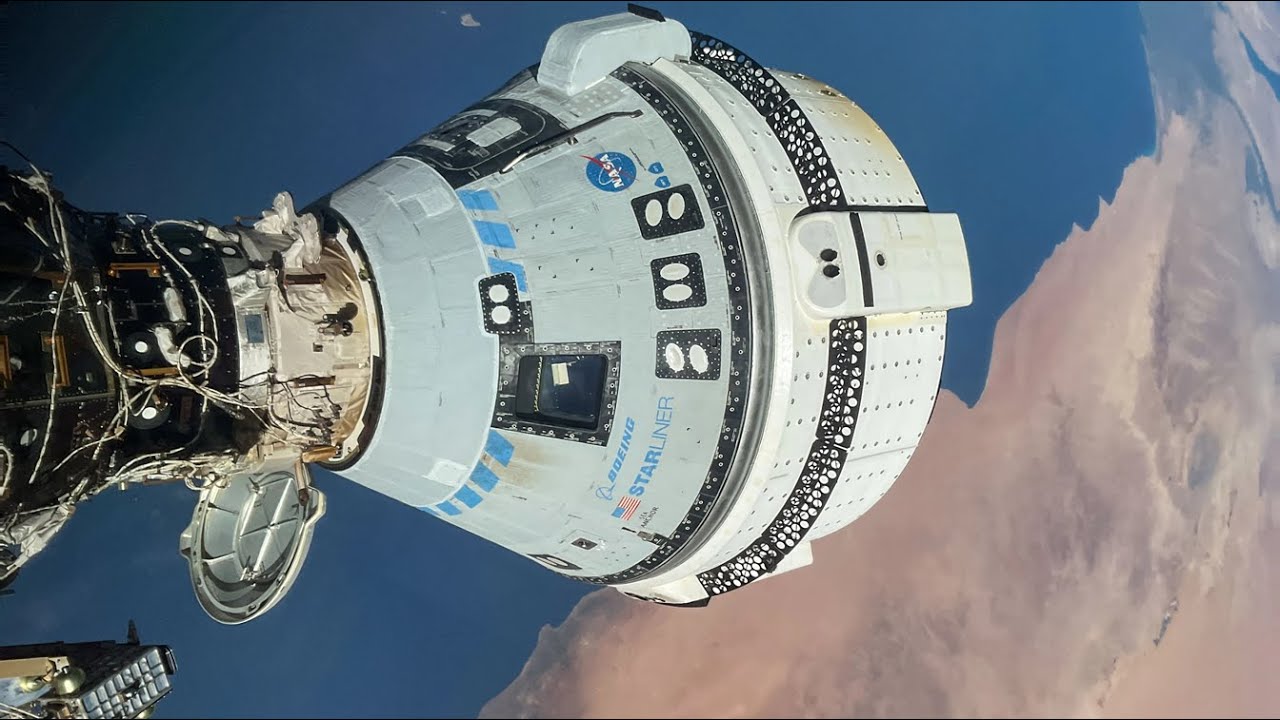
Boeing's Starliner spacecraft is scheduled to return to Earth on 6 September from the International Space Station (ISS).
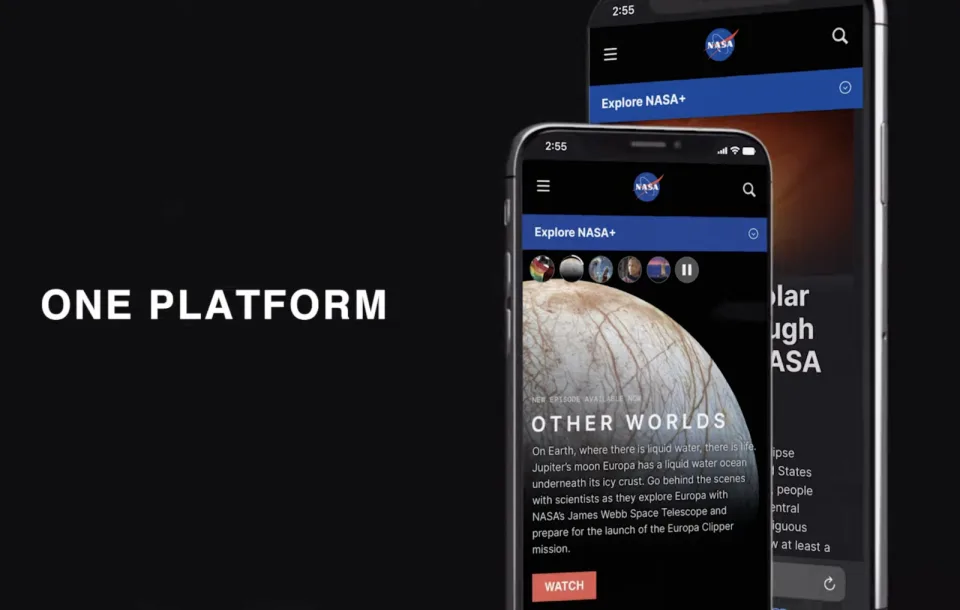
NASA will switch off its cable channel NASA TV in August 2024, focusing its attention on a new streaming service, NASA+. The move comes as the streaming service has gained four times as many viewers as the traditional channel.
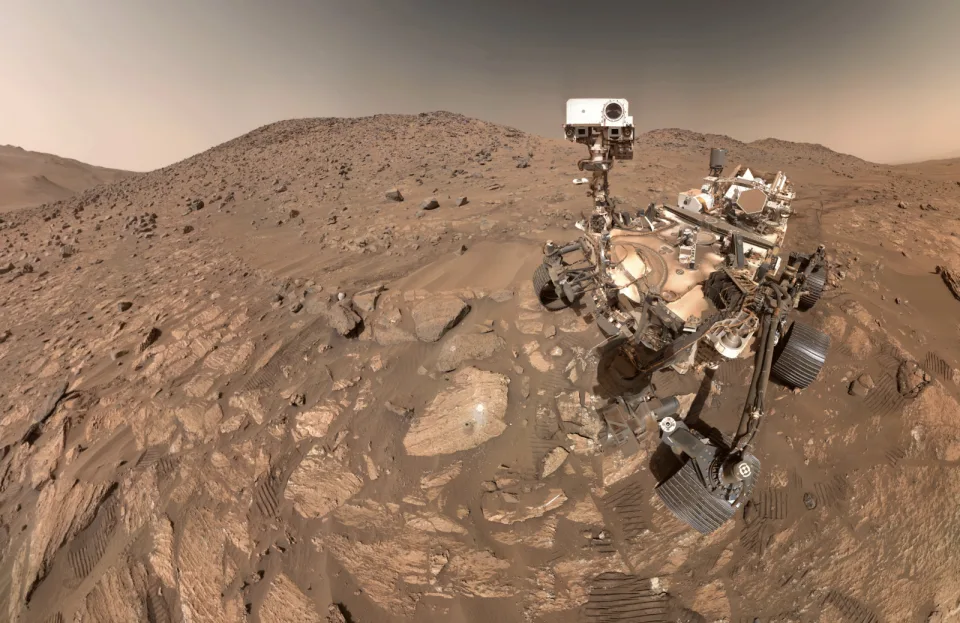
NASA's Perseverance rover has discovered a rock on Mars that could be evidence of ancient life on the planet. The sample, found on 21 July, comes from a former river valley and contains chemical features and structures that could have been created by microbes billions of years ago.
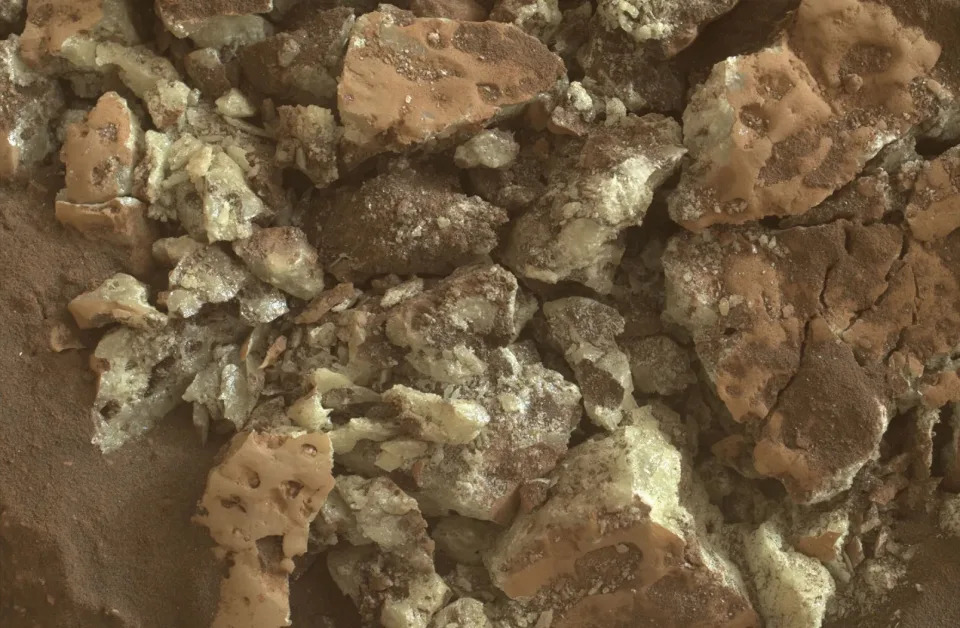
NASA scientists claim to have found pure sulphur on Mars for the first time after the Curiosity rover accidentally discovered a cluster of yellow crystals when it drove over a rock. It seems that the area is filled with these crystals.


NASA has sent Missy Elliott's "The Rain (Supa Dupa Fly)" to Venus, marking the first time a hip-hop song has been sent into space. The transfer was made using the Deep Space Network (DSN) facility in California.
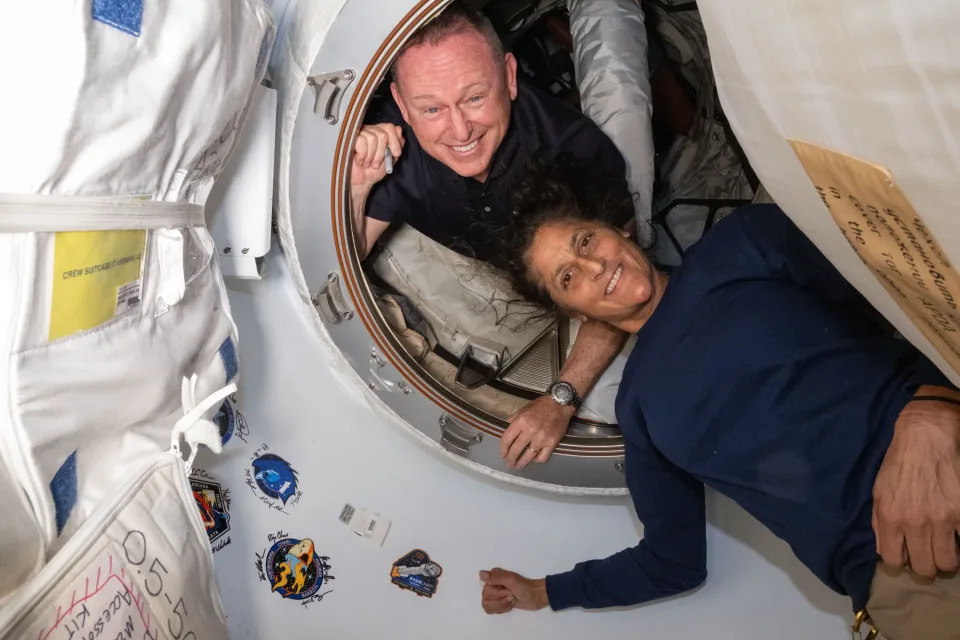
NASA and Boeing have announced plans to spend the next few weeks on the ground testing the Starliner spacecraft to resolve engine problems before the crew returns to Earth. During a press conference on Friday, astronauts Butch Wilmore and Suni Williams confirmed that they are not "stuck" on the International Space Station and are not in a hurry to return.
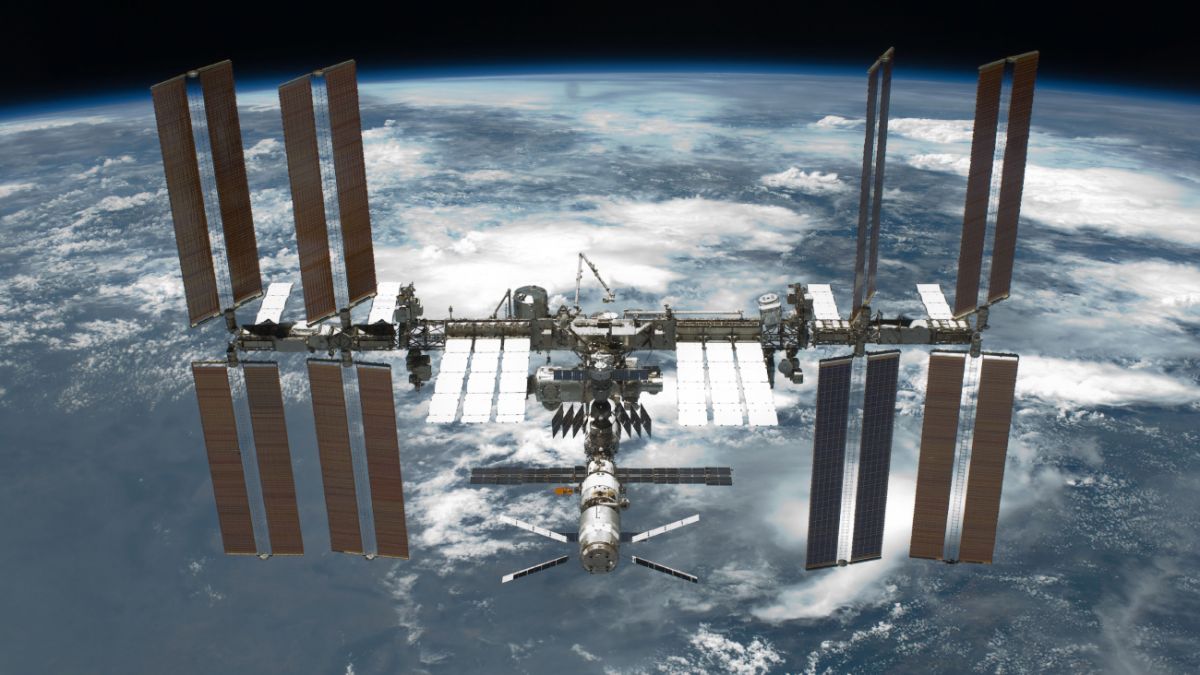
NASA has signed an $843 million contract with SpaceX to build a rocket that will be able to safely de-orbiter and decommission the International Space Station (ISS) over the next ten years.
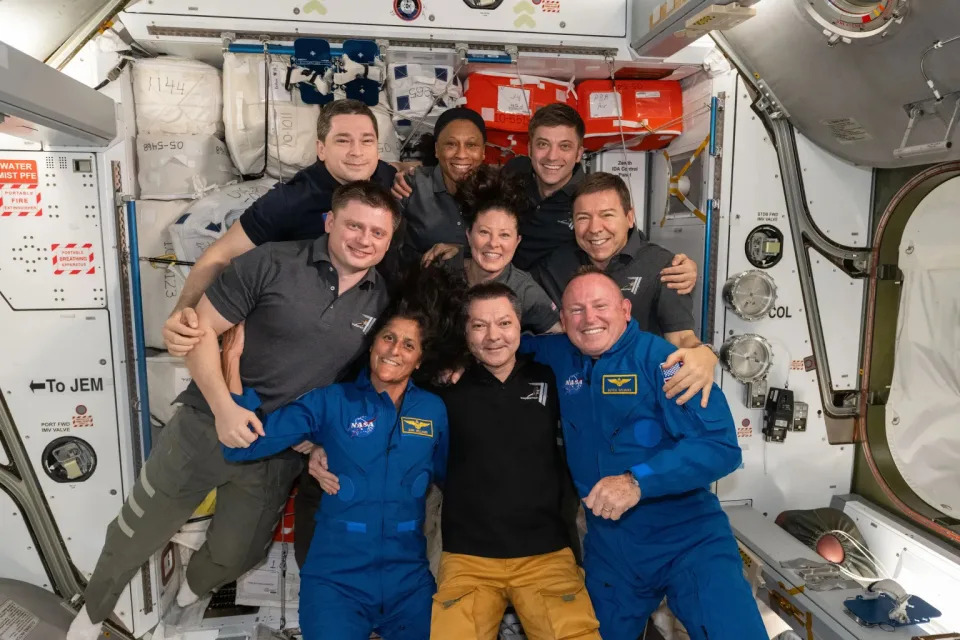
Astronauts Butch Wilmore and Suni Williams, who took off on their first flight with the crew on a Boeing Starliner, will not return home from the International Space Station (ISS) until next month. This is significantly later than their originally scheduled return date of 14 June.
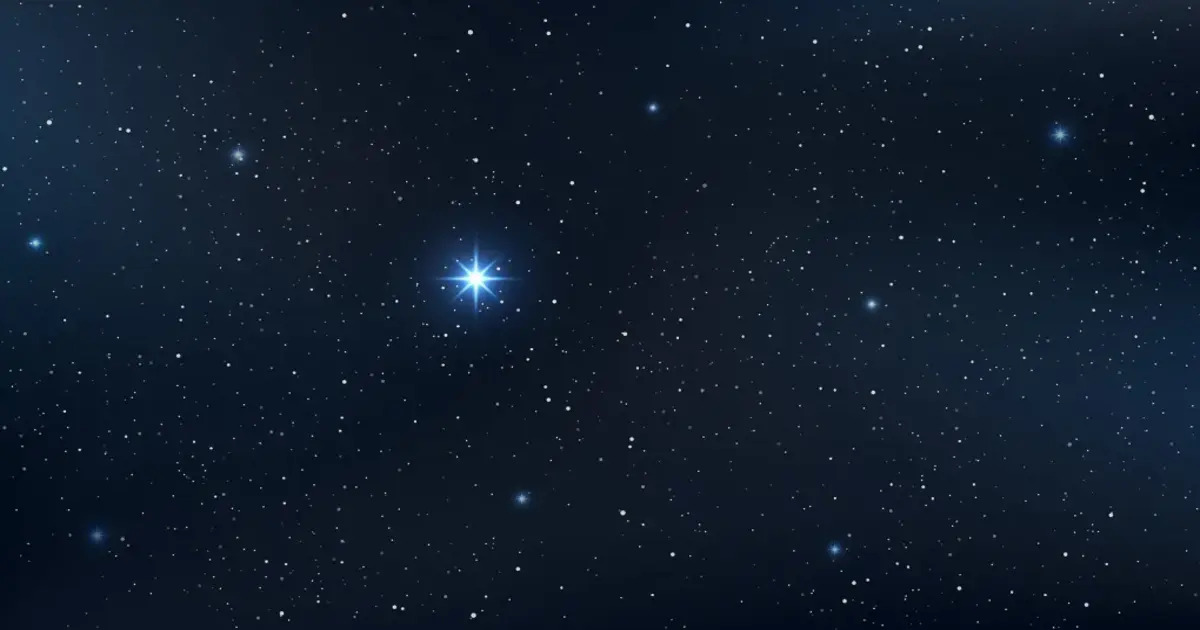
NASA plans to launch an artificial star into orbit by the end of the decade to help scientists with space observations.
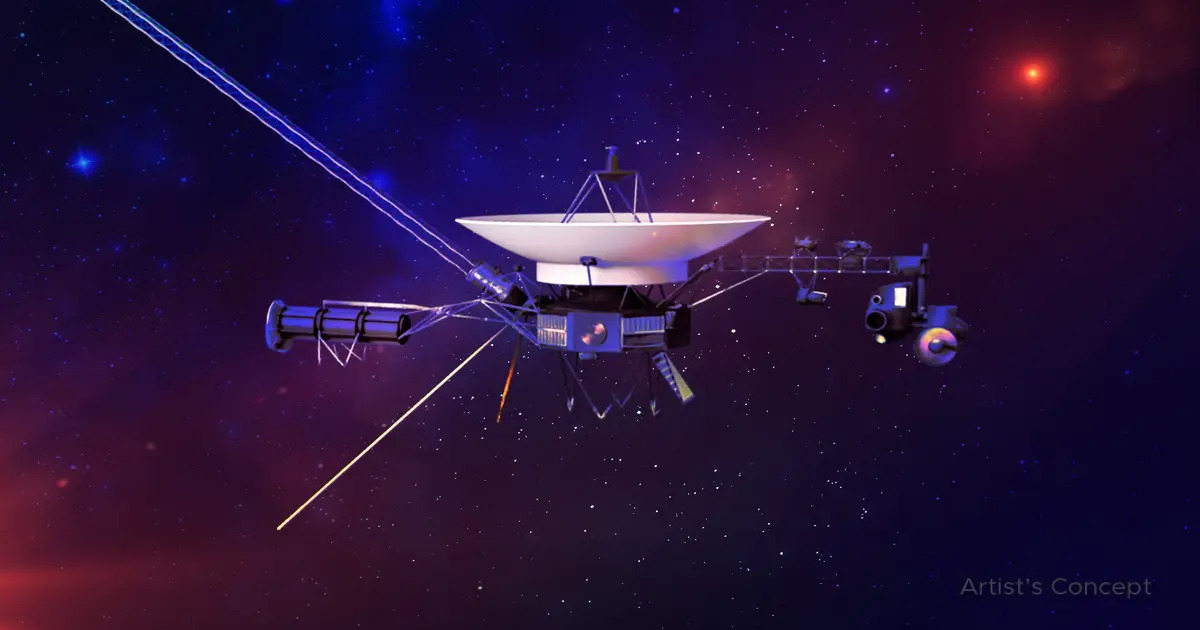
NASA's 47-year-old Voyager 1 space probe, which is the farthest from Earth, has resumed operations after seven months of technical problems. In November 2023, the probe began sending unreadable data, prompting NASA engineers to launch an investigation.
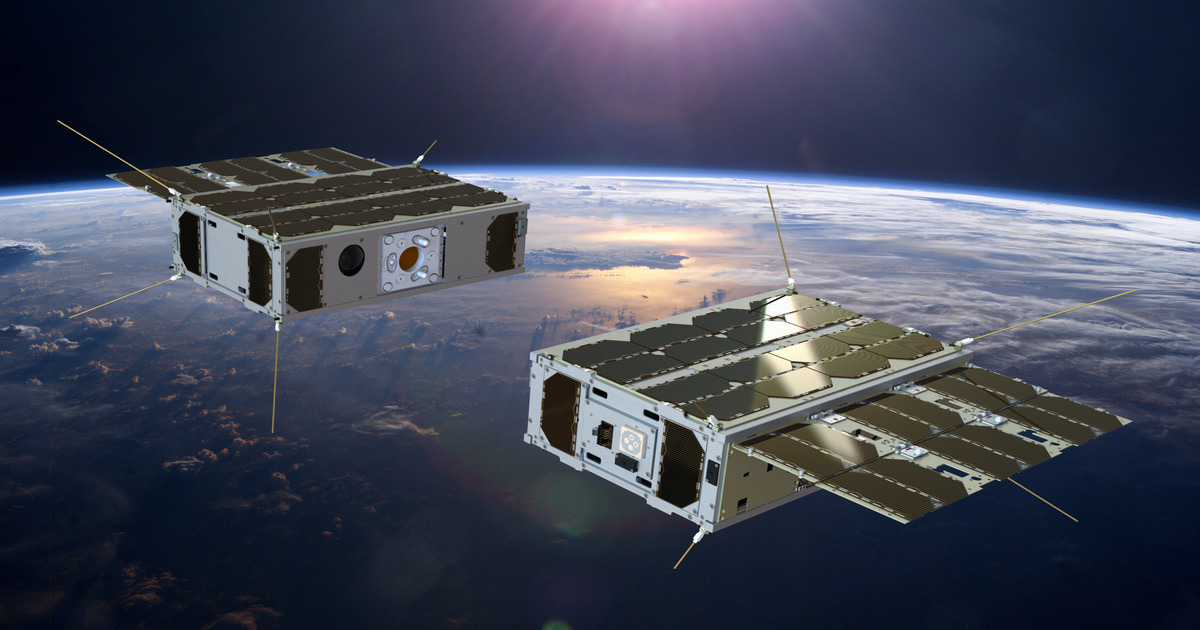
NASA is preparing to launch two miniature CubeSats for the PREFIRE mission, which are designed to study the Earth's poles. The first satellite was successfully launched on 25 May using a Rocket Lab Electron rocket from Mahia, New Zealand, and the second is scheduled for 1 June.
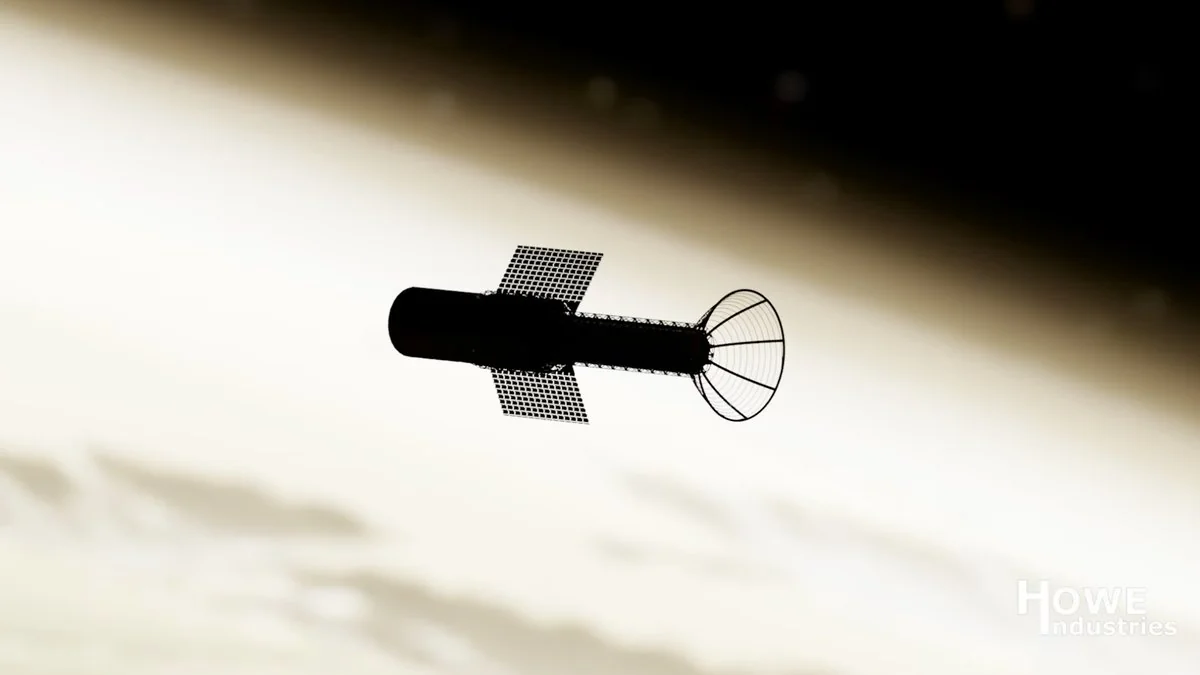
Last week, NASA announced a partnership with technology company Howe Industries to develop a new engine that could take humans to Mars in just two months, as opposed to the current nine-month journey to the Red Planet.
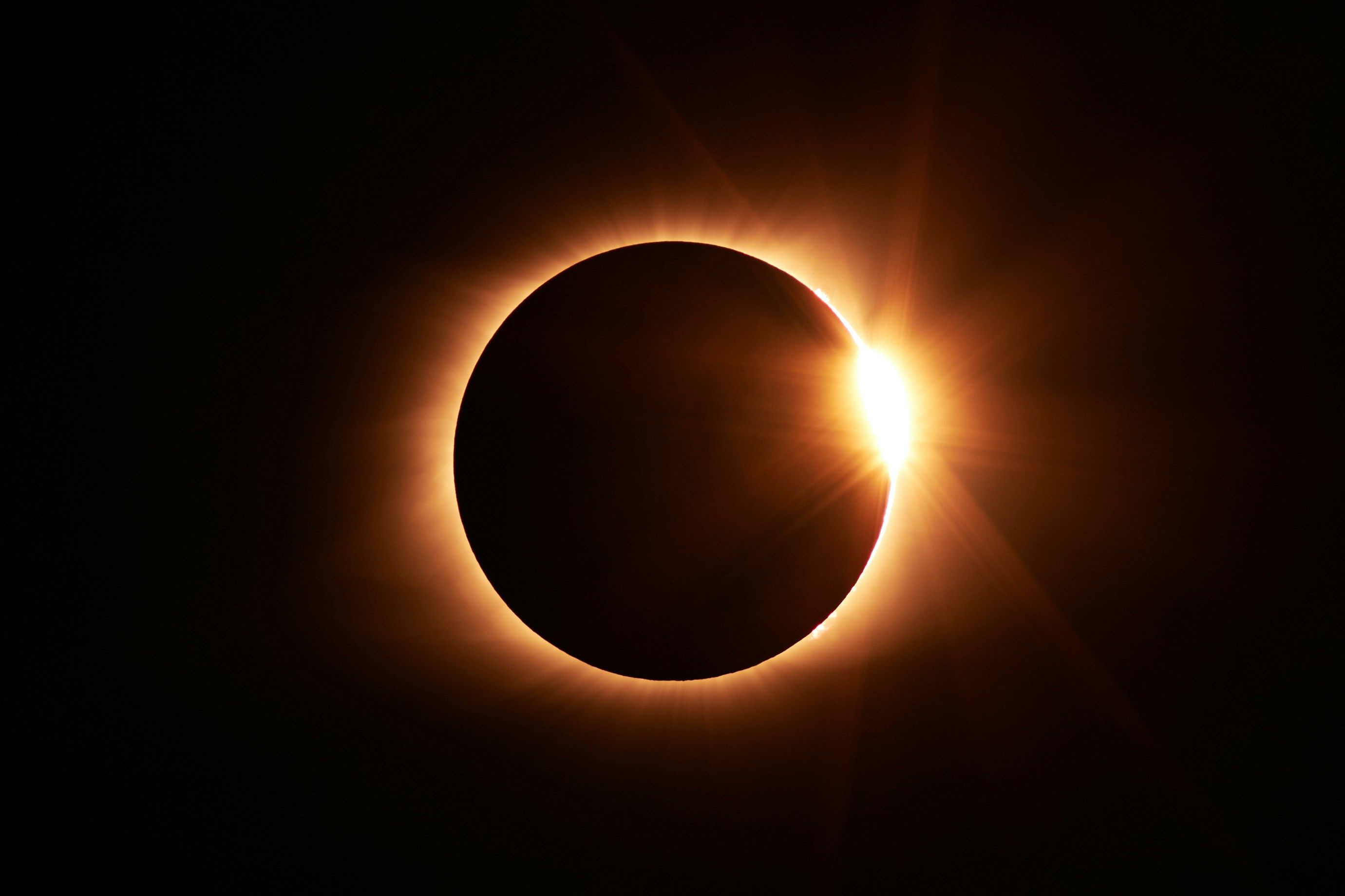
User @MKBHD asked on social network X if it was possible to film the solar eclipse on a smartphone and NASA representatives gave an answer to the question.
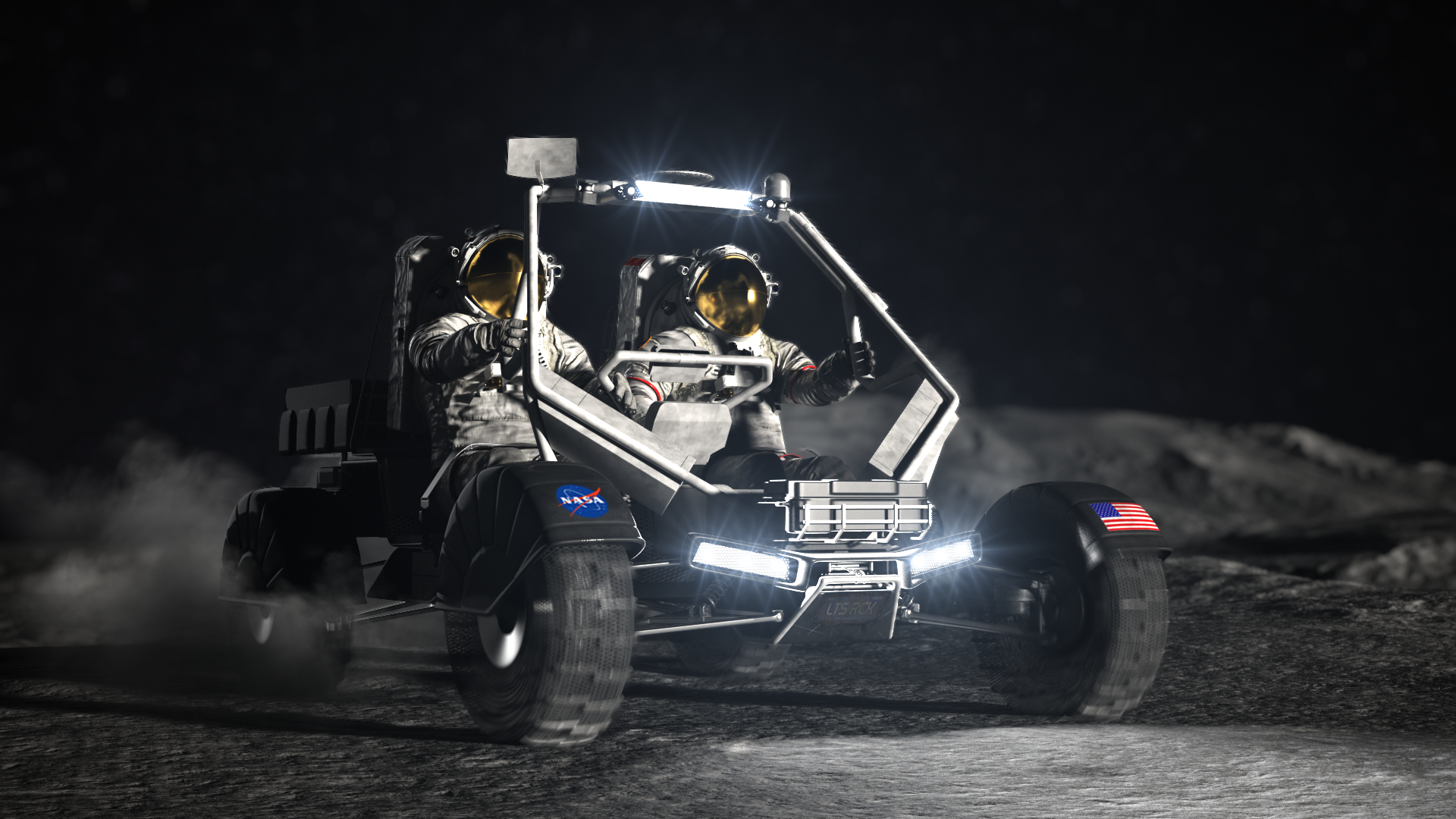
NASA has selected Intuitive Machines, Lunar Outpost and Venturi Astrolab to develop the lunar transport vehicle (LTV) capability that Artemis astronauts will use to navigate the lunar surface, conduct scientific research during the Artemis campaign on the Moon and prepare for manned missions to Mars.
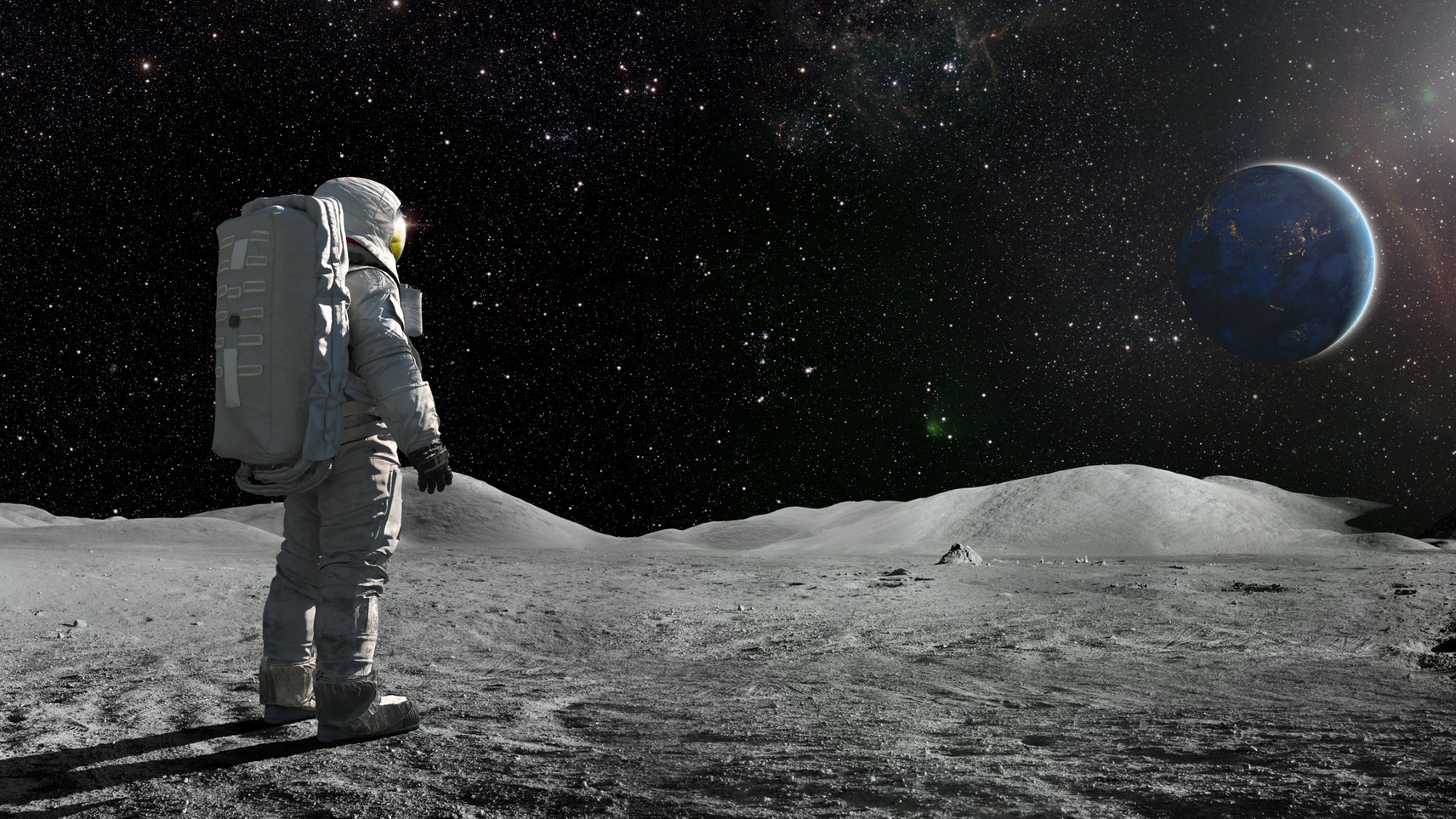
The Artemis 3 mission, scheduled for 2026, will see astronauts land on the moon for the first time in half a century and set up a mini-greenhouse there.


