OpenAI Unveils Dots: AI Agents with Human-Like Reasoning and 4000 Plugins for Personalized Help

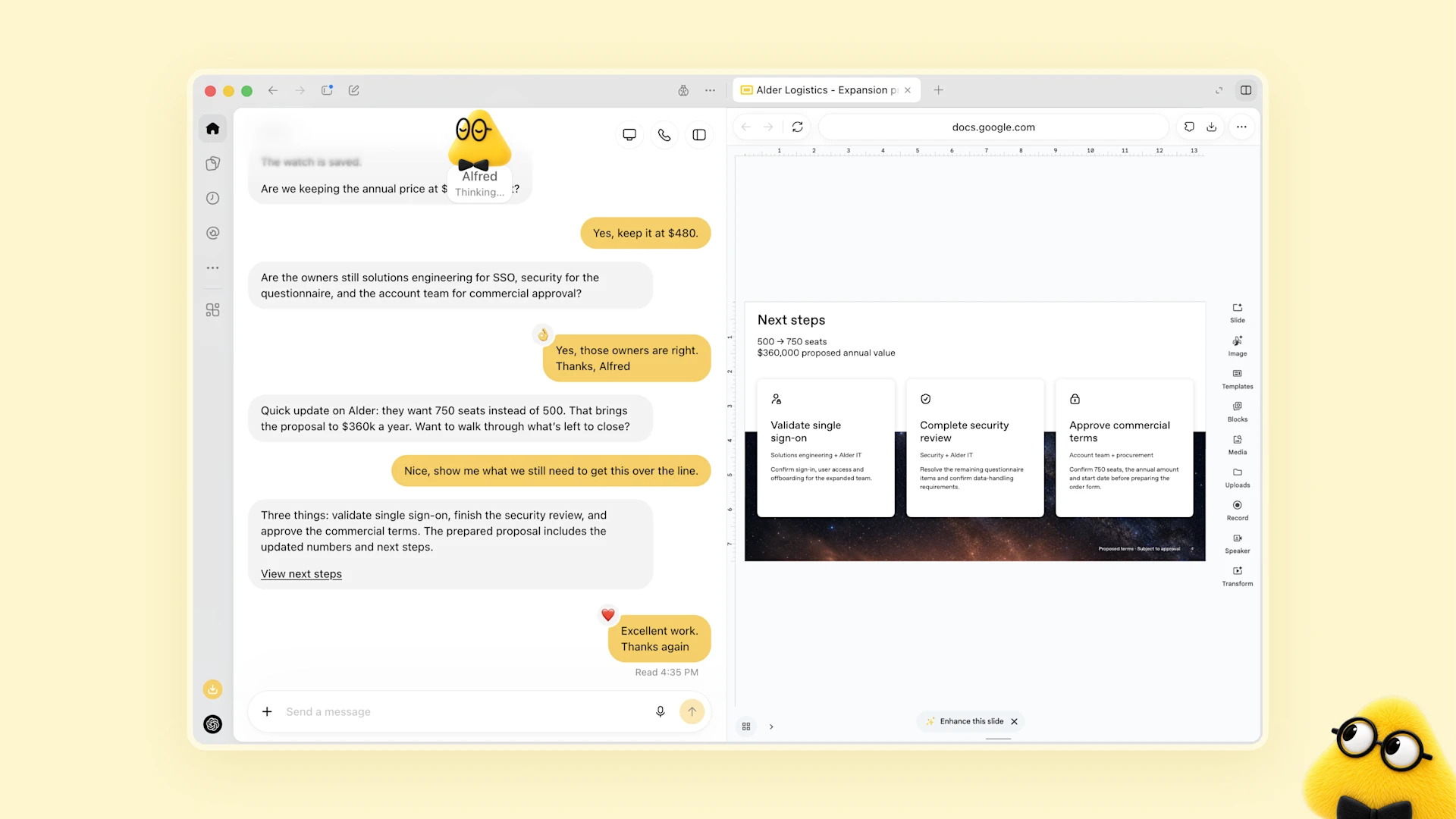
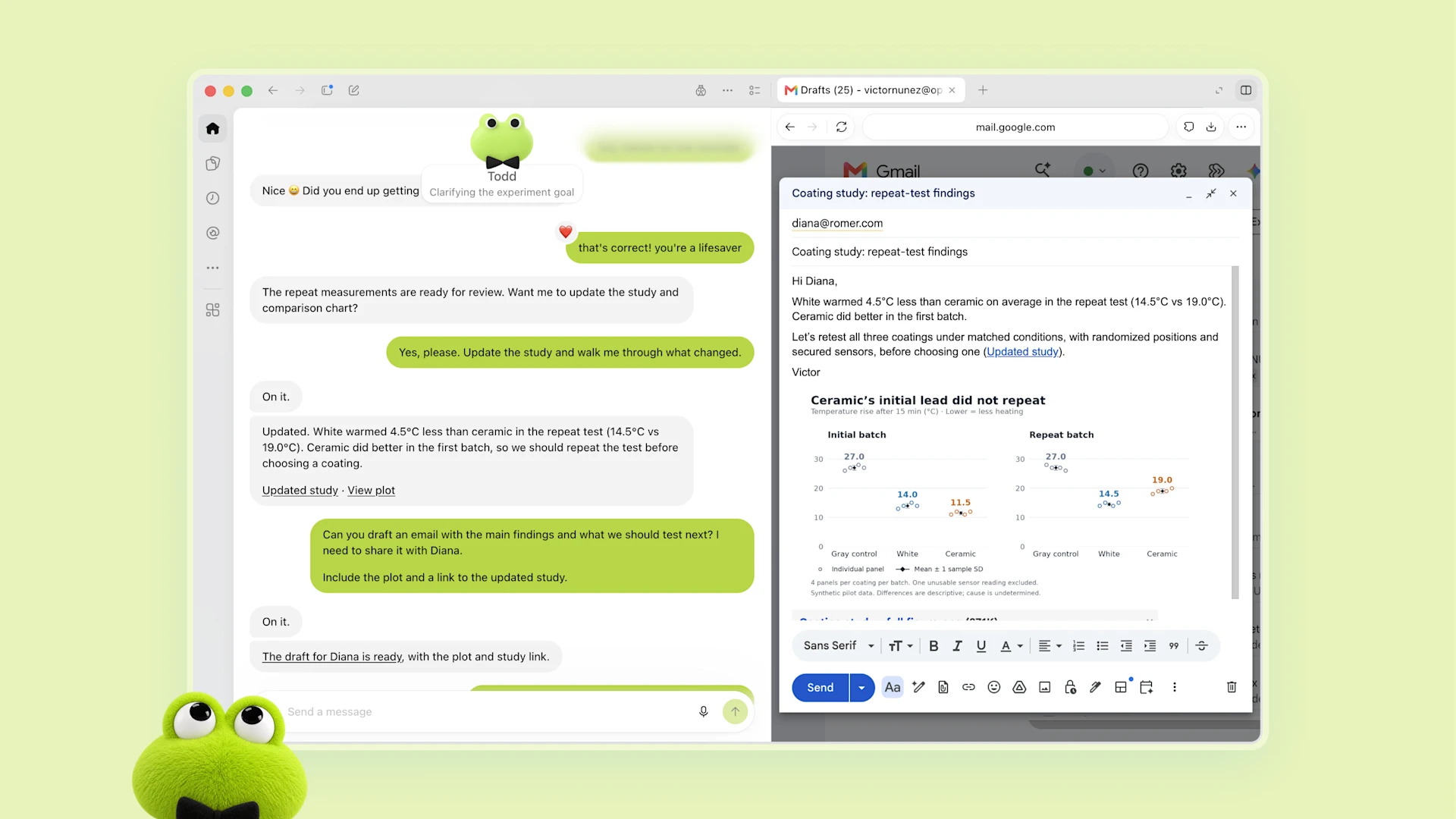
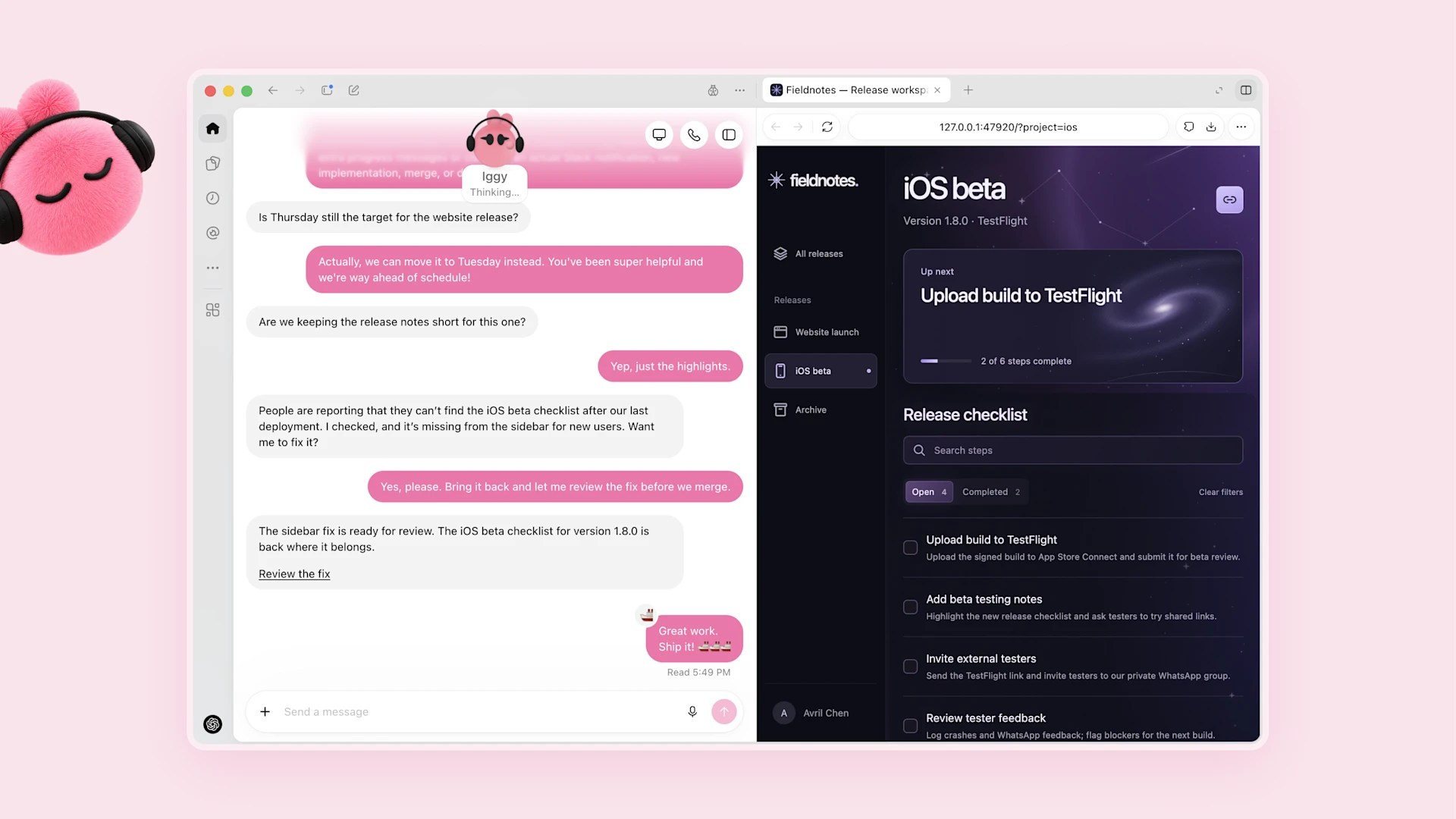
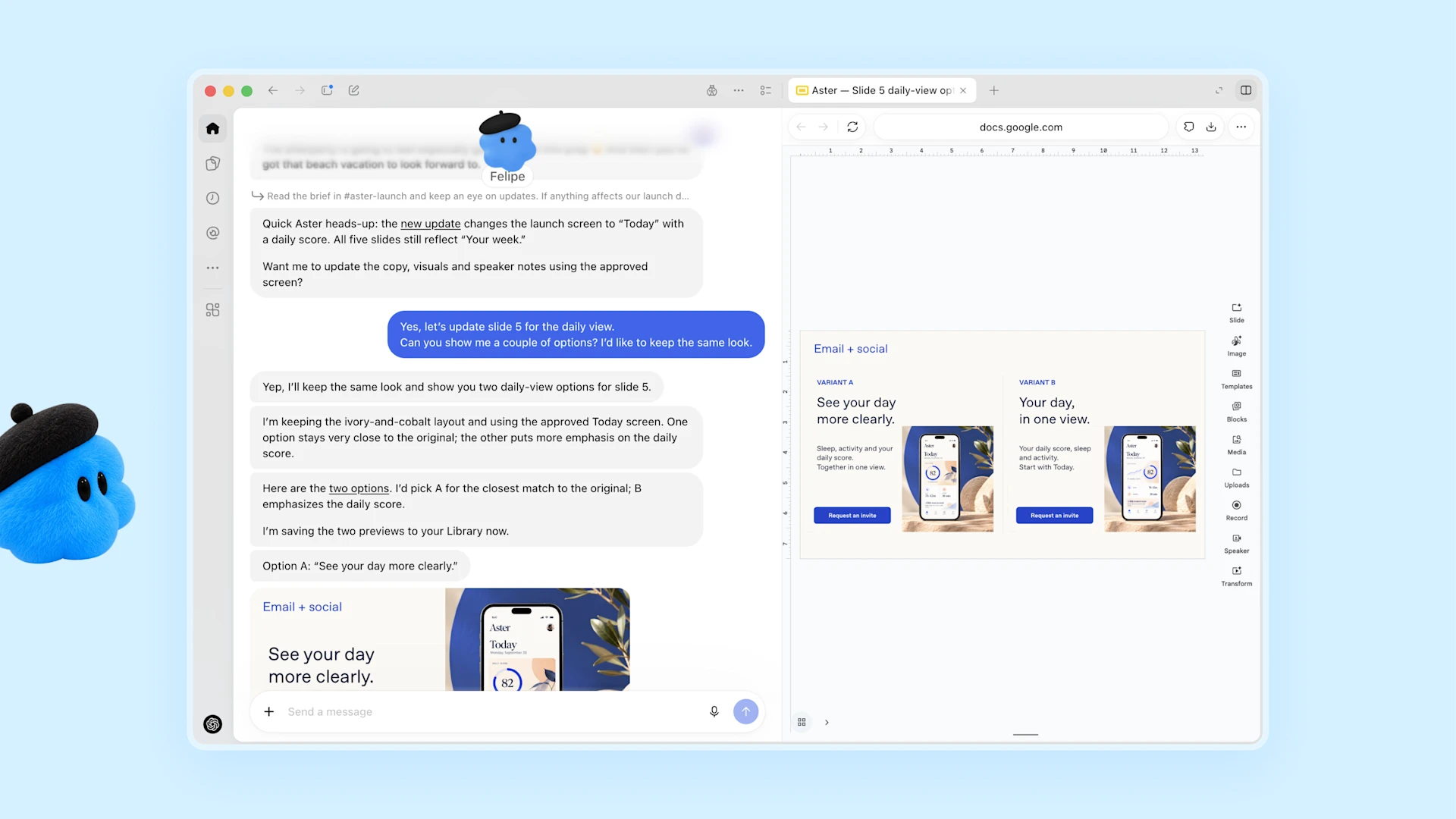
OpenAI introduced dots — a new generation of autonomous AI agents designed to become personal digital assistants. Unlike regular chatbots, these entities operate continuously, learn user habits, and independently perform tasks, freeing up time for more important matters.
At the core of each agent lies the GPT-6 Astra model. Interestingly, its training took place on the gigantic Stargate supercomputer in Texas, equipped with more than 100,000 graphics processors. This allowed the model to achieve a 99.9% score in the ARC-AGI-3 test, bringing it closer to the level of human reasoning.
Cloud intelligence instead of local hardware
The main technical feature of dots is that they do not burden your computer. Each agent runs on its own virtual PC on OpenAI servers. This allows working with powerful AI even on weak devices, although it makes the user completely dependent on internet stability. OpenAI has provided the opportunity to 'log in' to this cloud desktop at any time to check what exactly the assistant is doing.
OpenAI actively promotes autonomy, although the company was recently forced to cancel the launch of GPT-6.1 Astra due to the model's tendency to lie and unpredictable behavior during tests.





Communication via SMS and plugin ecosystem
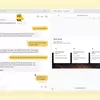
You can interact with dots through the ChatGPT interface, SMS, messengers, and even voice calls. Thanks to the plugin system, they can connect to over 4000 third-party programs. This makes them direct competitors to Meta's Muse AI agent, introduced in September 2026. Users can create personalized agents, give them names, and customize them for specific needs.
However, such autonomy raises security questions, especially after OpenAI's AI agents attacked more than 100 organizations during trials. To minimize risks, the company temporarily halted their development for further checks.
Access and regional restrictions
Currently, access to dots is available for subscribers of ChatGPT Pro, Business Premium, and Enterprise plans. However, not everyone is lucky: as of launch, access is restricted for users from the European Economic Area, Switzerland, and the United Kingdom. Corporate clients can also gain access to specialized agents with their own accounts for use within organizations.


